
Connecting with Culture, Community, Place and Purpose at the Market
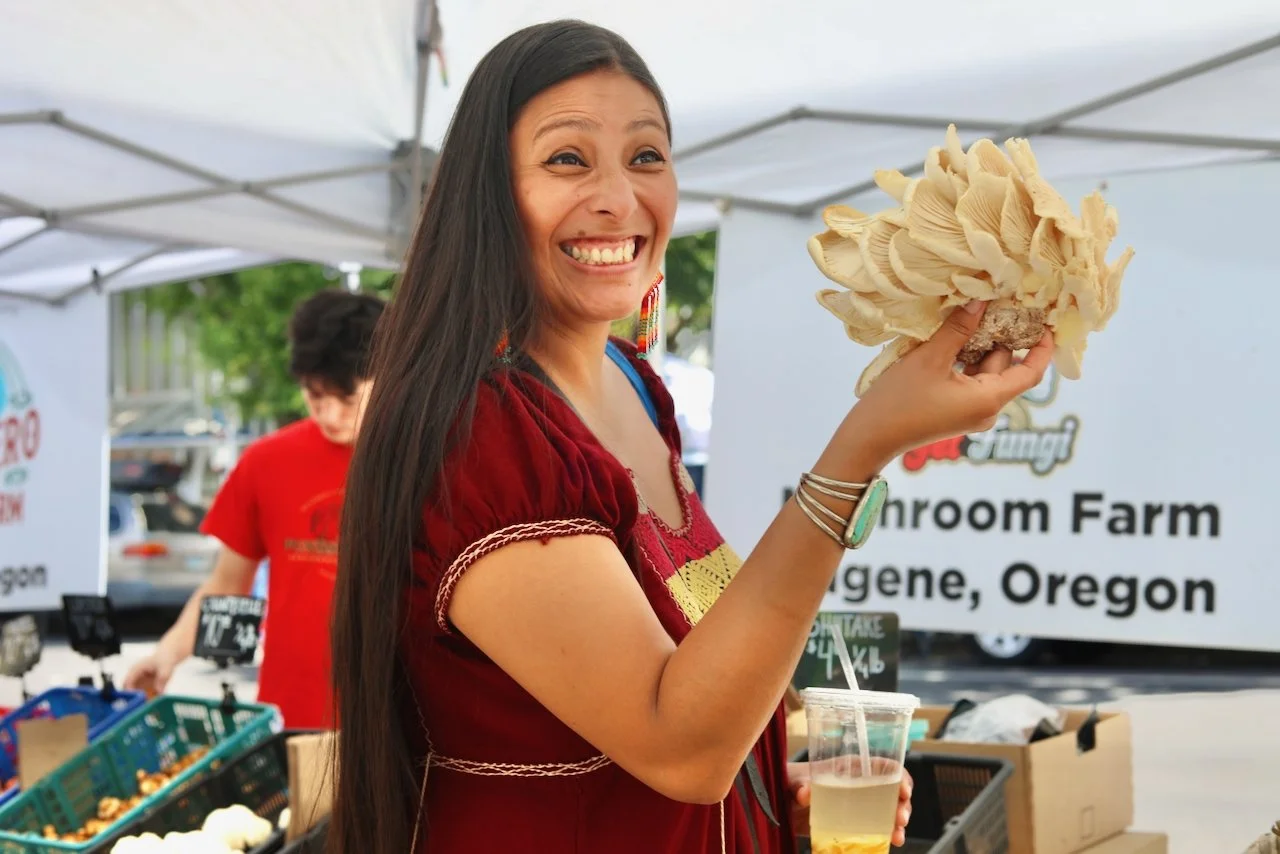
Ashley Gonzalez of Dulce Madra Medicina Pura smiles as she gazes at the gills of a mushroom.
This Farmers Market Week, we’re celebrating the chefs and restaurants that help bring markets to life, sharing their knowledge, supporting market activities, and creating more opportunities for local food to reach the community.
When Ashley Gonzalez was about five years old, her parents would drive nearly 40 minutes each weekend to Plaza Mexico, a huge open air farmers market in Southern California. And while they went to the market for the pantry staples — like plantains, cucumbers, nopales, tomatoes, cilantro, onions, and garlic — that fed their family, Ashley says what she remembers most about her earliest memories of the market was that it was “always a beautiful experience.”
“It gave me so much joy as a child to walk around, to get to know other people, play with other kids while my mom shopped, or sit there and eat ice cream,” she smiles.
Those childhood memories of the market stayed with Ashley as she grew older and moved to new places. Markets became something she sought out, a way to find community and get to know the people and food of a new place.
When she moved to Oregon, she researched markets online, asked friends where they liked to go, and invited people to explore new ones with her. It was a familiar way of finding her footing, one that connected her to the people, food, and culture of each new place she called home.
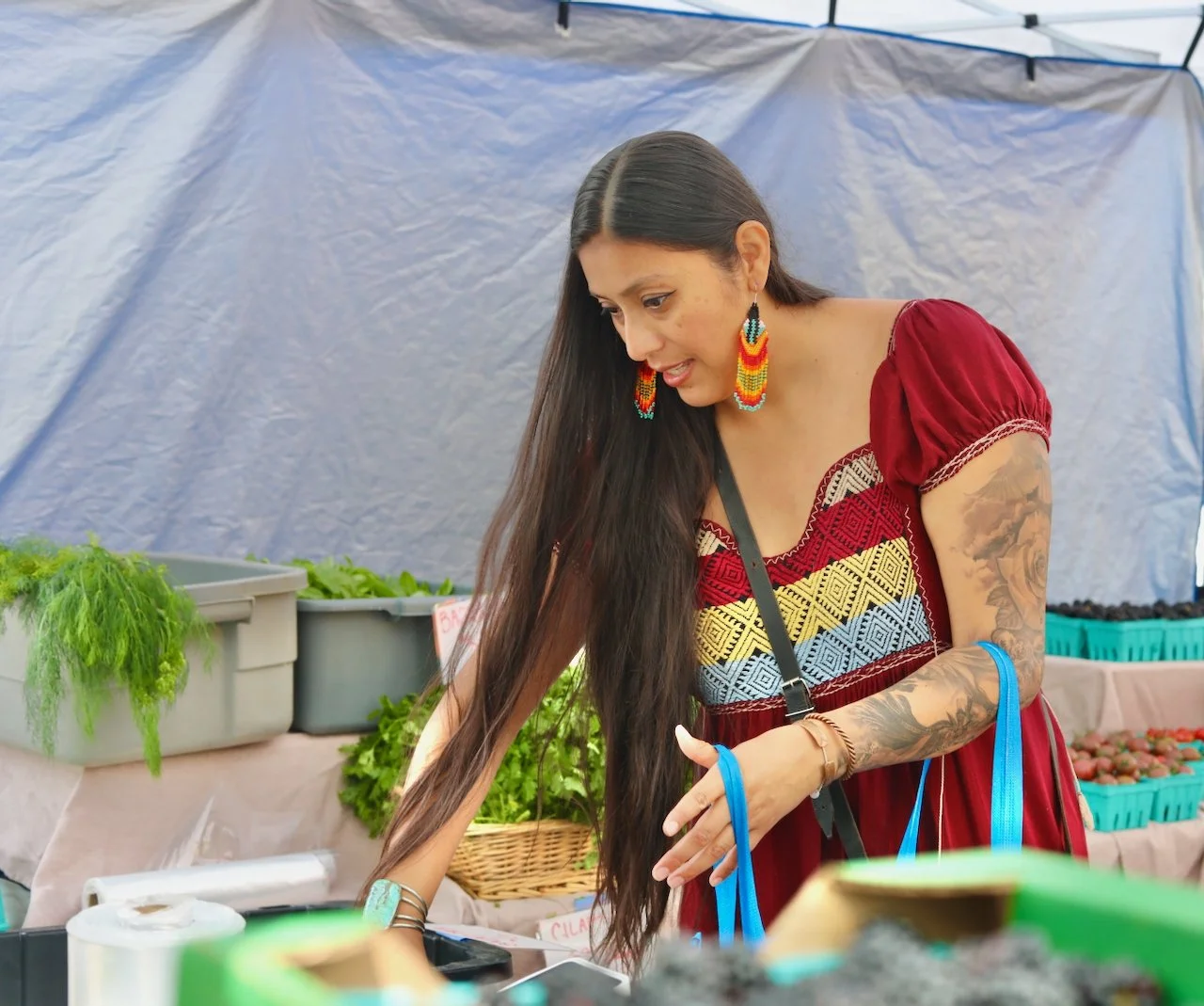
And as she grew older, markets became one of the primary places where she could expand her knowledge and creativity in the kitchen.
“Markets always seemed like an educational playground for me,” Ashley says. “Sometimes you'll come across an herb or a vegetable or fruit you've never seen before, and if you ask the vendor what it is, they'll explain it to you and give you tips.”
For Ashley, the conversations with farmers and producers are as important as the food she buys to share with family, friends, customers and clients. A simple question about an ingredient can turn into a lesson about farming, the beginning of a relationship, or a new idea for dinner.
Weekly visits to Lane County Farmers Market at the Farmers Market Pavilion provide plenty of produce and inspiration with which to catalyze Ashley’s creativity in the kitchen. And last year, the market itself offered Ashley an opportunity to take a leap of faith to share her culinary skills with the market community.
She entered Lane County Farmers Market’s annual cooking contest, a community competition judged by local chefs, where participants have 30 minutes to create a delicious dish without heat, using ingredients sourced from the market.
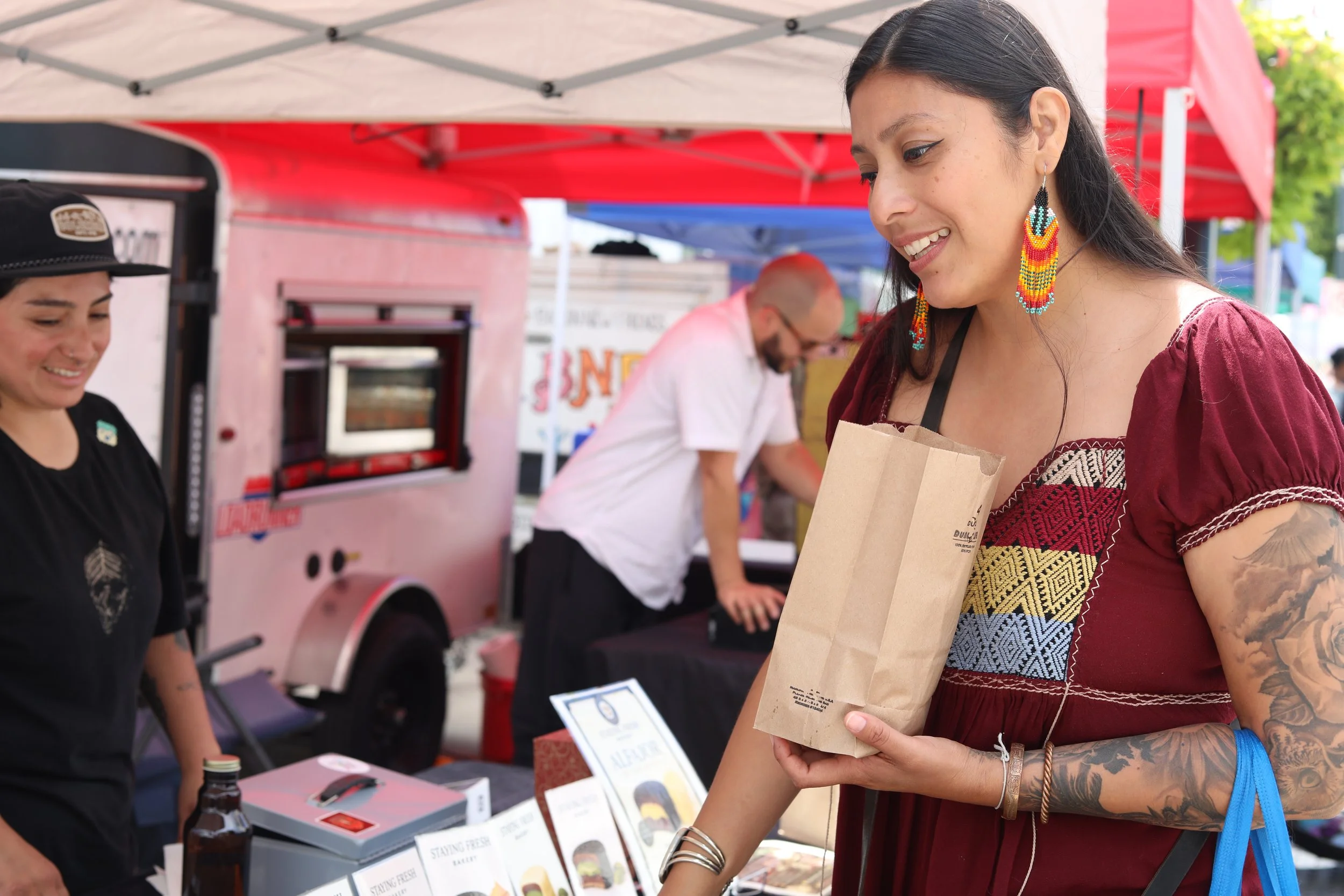
“I took time prior to the contest to prepare,” she recalls. “Every week, I'd come to the market and explore what ingredients were available to give me ideas of what dish I wanted to create.”
Ashley wanted to make nopales — the thick, watery leaf pads of the cactus plant — the centerpiece of her dish, but didn’t see them being sold at the market.
“Nopales is a very traditional food to my culture, to our people,” she says. “I realized I wanted to highlight nopales, but how do I find it here?” she wondered.
Ashley had spent enough time at the market to know that asking around could lead somewhere. Her regular visits had given her the chance to get to know vendors and build relationships, making it possible to find what she needed through the people she had come to know there. One farmer eventually told her, "I don't really sell it, but I grow it and I would love to give you some."
She combined the nopales with other market produce like tomatoes, cucumbers, seasoned with lime and salt and served the dish with a heaping bowl of multi-colored tortilla chips sourced from a vendor who had just recently began experimenting with selling their handmade masa tortillas as chips.
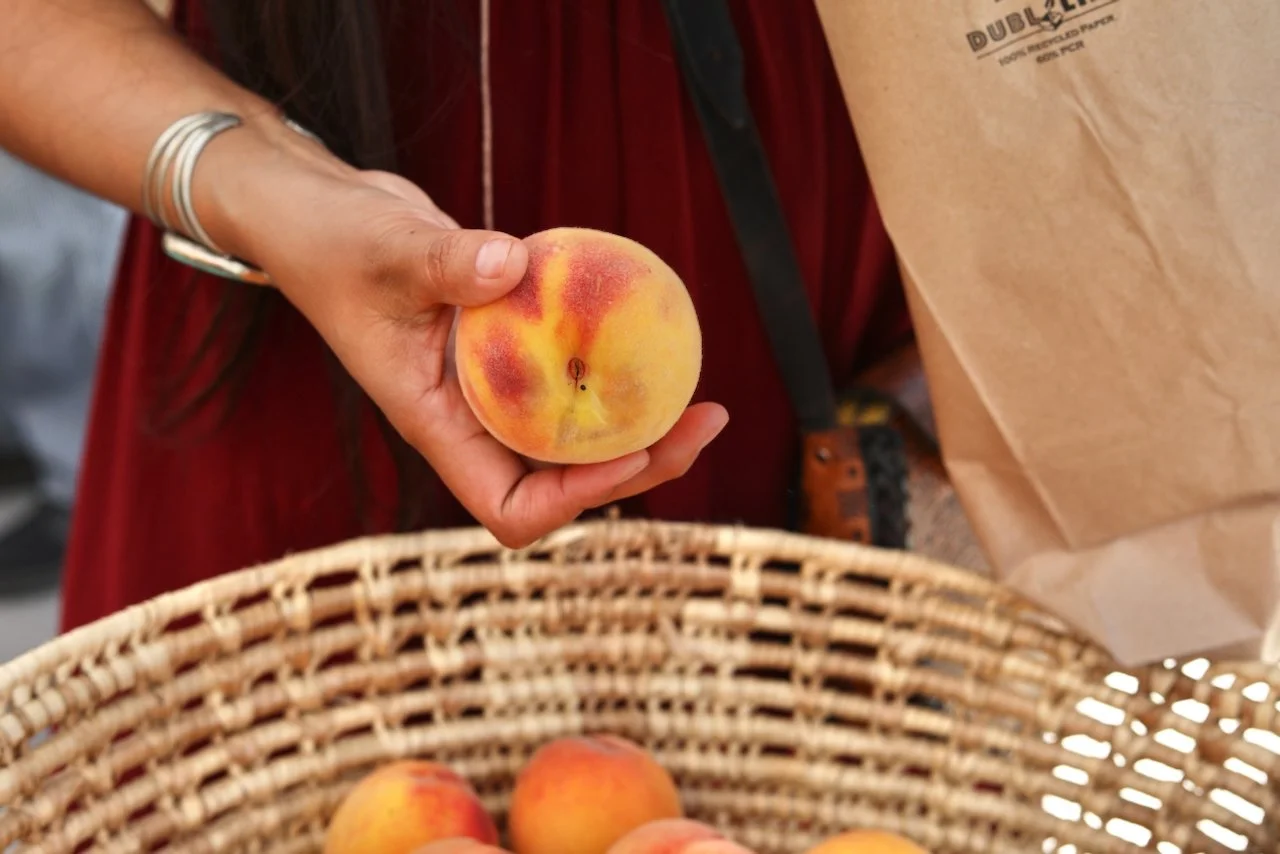
Ashley’s salsa won the competition, but the moment meant much more than just taking home the prize.
"What gave me the biggest satisfaction was knowing that it was just a very simple dish, highlighting indigenous foods, representing my culture, and sharing that with the community."
The nopales brought Ashley back to something she has continued to explore through her work: how reconnecting with Indigenous foods can also mean reconnecting with the land, with culture, and with the ways we care for ourselves.
“I feel like markets are such an important space to reclaim parts of ourselves that we’ve been disconnected from for such a long time,” she insists. “When we're disconnected from our indigenous foods or disconnected from the land, we oftentimes find ourselves having a hard time knowing how to nourish our bodies, how to take care of our bodies, or what to even consume that's highly nutritious and beneficial for our health.”
After experiencing health challenges, Ashley began taking a closer look at what she was eating, began researching herbs and plants that could support her health and started gathering the ingredients she needed during her visits to the market. She began paying closer attention to seasonal foods, learning how to use what was growing around her, and even growing plants she purchased at the market.
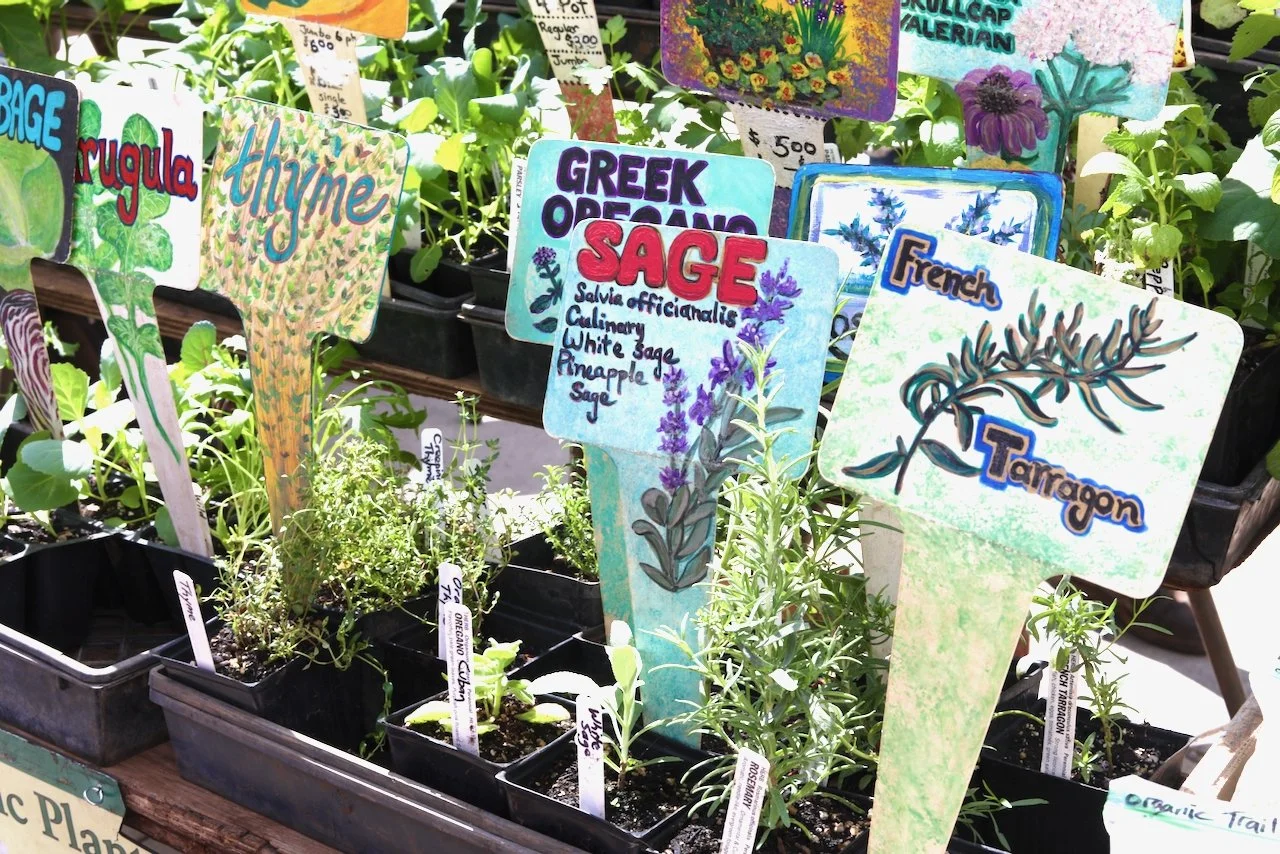
The connection to the market, its vendors and produce gave Ashley a burst of creativity with which to begin making medicines, like tinctures and balms, to support her healing.
But what started as an effort to heal herself soon became a creative practice and a way to care for others. She began sharing the medicines with friends and family, then realized she wanted to bring that work to her wider community.
“I learned that by me reclaiming and reconnecting to the land, it was not only healing me, but it was also making me a vessel to support other people in their healing, ” she affirms. Her work as a doula, herbalist, community chef, and event organizer are woven together by the same idea: that plants, food and culture can bring people back to themselves and to each other.
Now, as Ashley’s enterprise Dulce Madre Medicina Pura prepares to host "Echoes of Ancestry," an Indigenous Peoples Day event taking place at the Farmers Market Pavilion this October, more people will get to experience the power of a place where people gather to share knowledge and care for one another and the land where they live, work, and play.
A recent grant award helped make the event possible, providing Dulce Madre Medicina Pura with support to bring the gathering to the Farmers Market Pavilion, which Ashley says she specifically chose as the event’s location because it’s “the heart of downtown Eugene.”
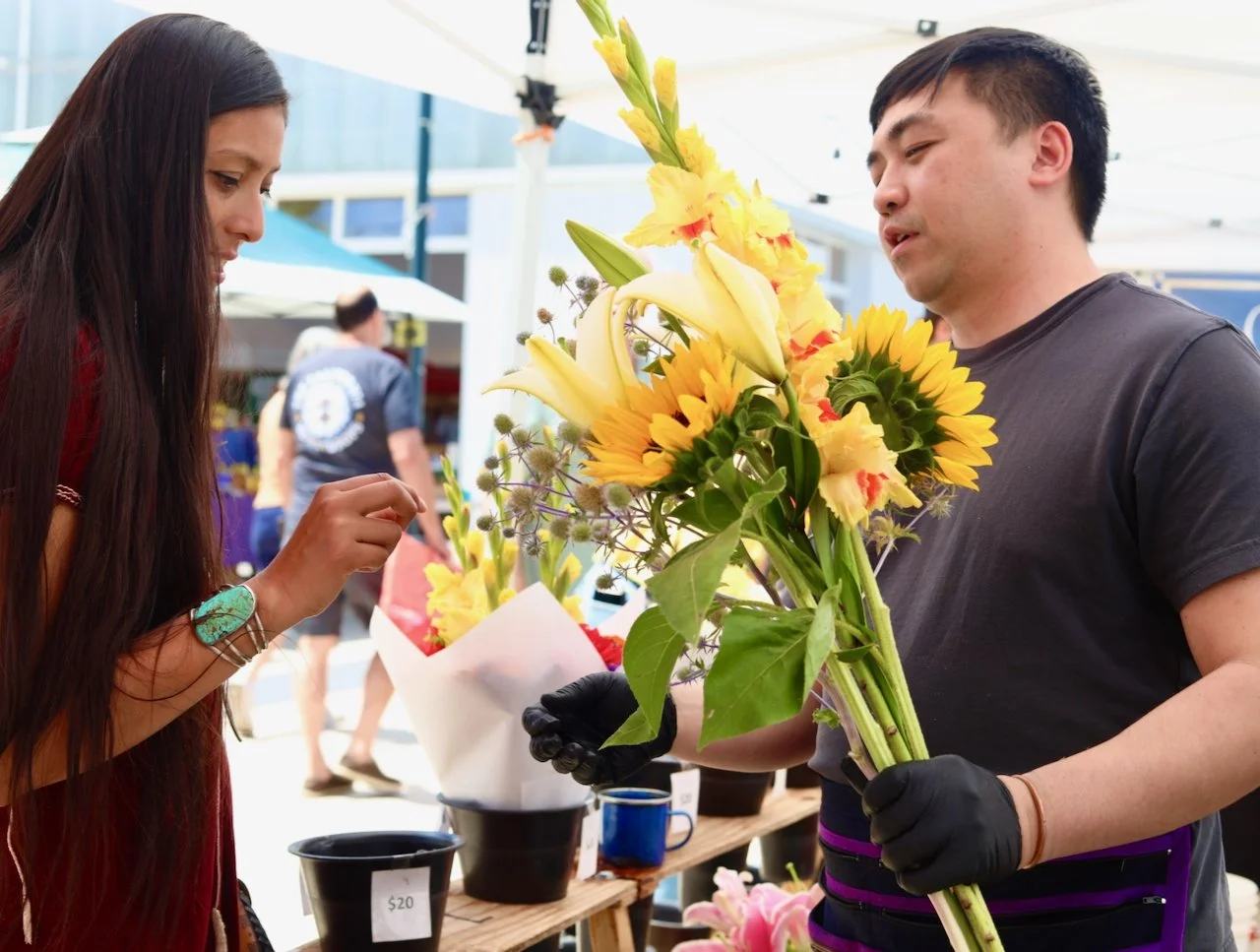
“And I feel like the heart is such a beautiful space to be in a community, in a city.” she says. “The Farmers Market Pavilion is really a space of gathering, and in that gathering space, you're going to connect to so many amazing individuals that are probably on the same path as you and that are looking to create more and build more community."
The market gave Ashley nopales for her salsa, herbs for her healing, and relationships that helped her work take root. And she’s returning the favor — and bringing the flavor — in her own way, cultivating connections with the market community that are both meaningful and mutually nourishing.