Where the Menu Meets the Market
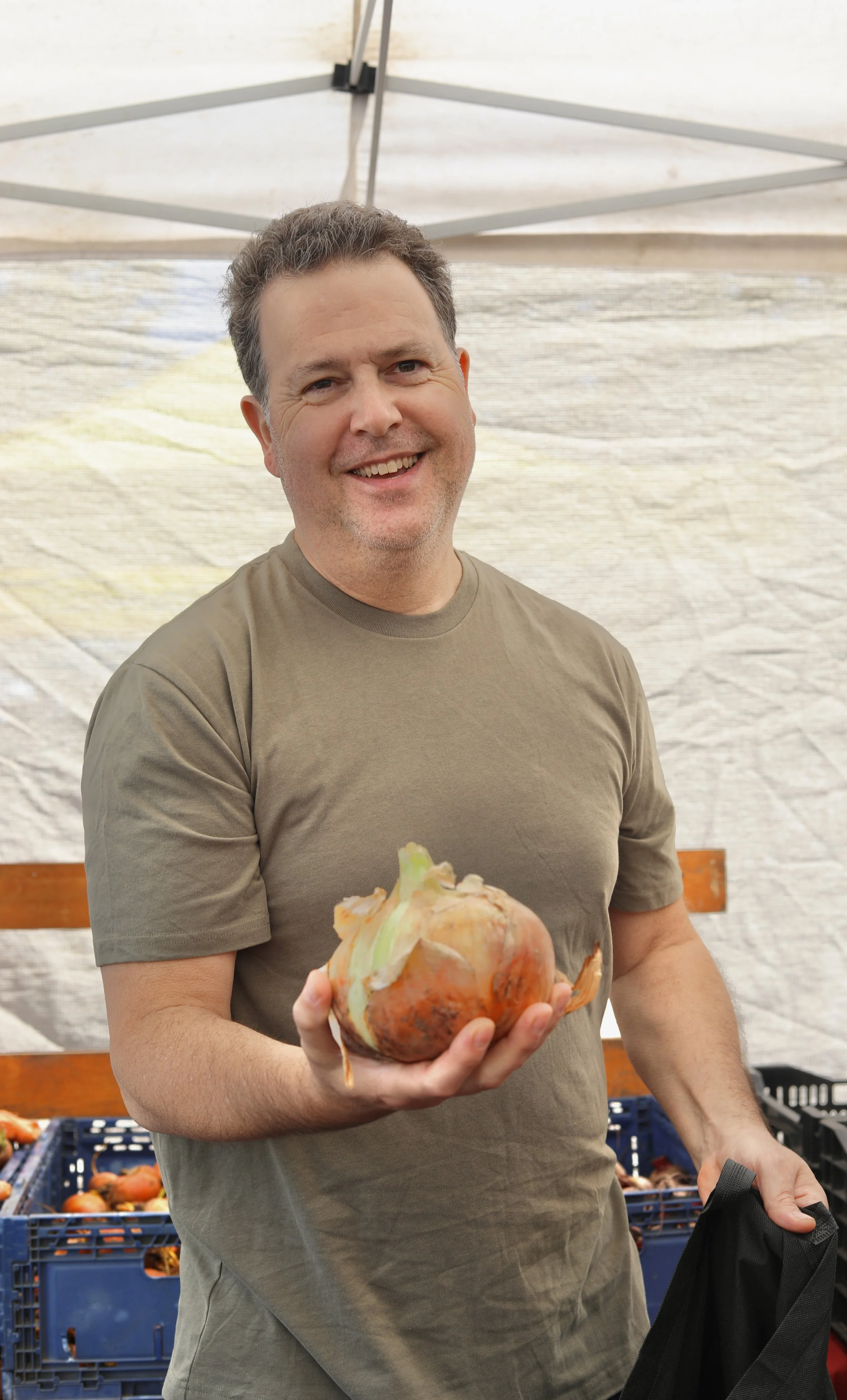
Alan Maniscalco of Lucky Horseshoe Lounge smiles as he shows off an onion at the Deep Roots Farm market stall at the Hollywood Farmers Market.
The menu at Lucky Horseshoe Lounge starts taking shape days before the market opens, when chef Alan Maniscalco reads through the weekly harvest list emails sent by local farms.
Those lists give Alan a glimpse of what’s coming into season, but what he finds at the market determines where the menu goes next.
By the weekend, he’s walking the market, selecting the ingredients that will eventually make their way into the restaurant's kitchen.
"I find for me it's easier to build a menu when I have the parts in front of me than it is to build a menu from scratch," Alan says. "It's almost like getting a CSA box and saying, 'What can I make out of this?' I always prefer to cook that way. Sometimes I might see a dish and say I'd like to make that dish, but it's rare that I'm just like, I have to have these four or five ingredients. If something isn't there, I'm going to find something else that I can substitute into it. It's a challenge, it's fun, and it almost always turns out really well."
Much of what ends up on the Lucky Horseshoe Lounge menu starts at the Hollywood Farmers Market. Conveniently located between home and the restaurant, the market gives Alan access to longtime farm partners along with smaller growers whose tables invite a closer look. He arrives with a list, but leaves room for surprise.
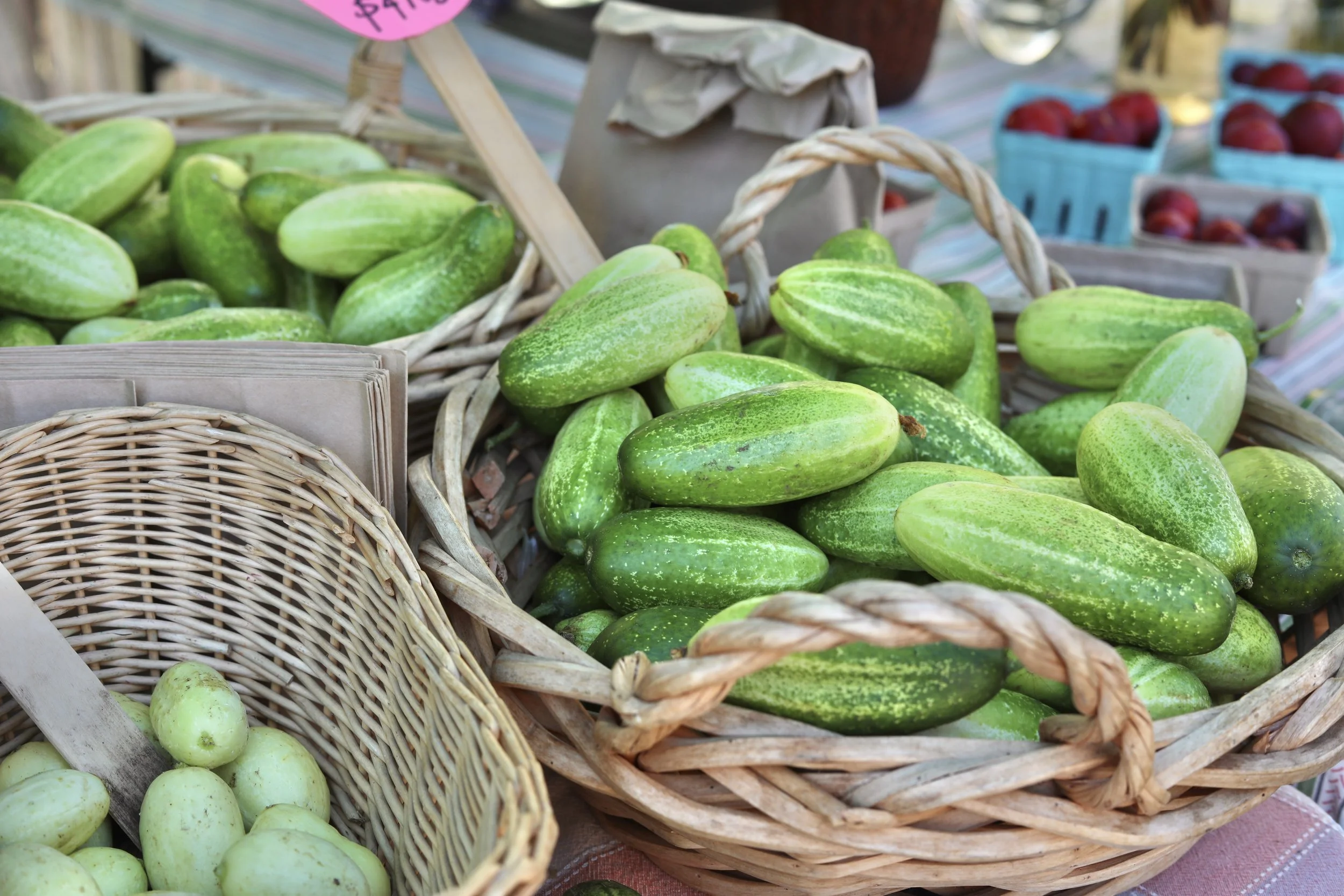
"Today I have on my list pickling vegetables," he says. "I have some ideas in mind, but I'm also going to be like, 'What's pretty for the dish I'm looking at?' I walked by this really small, sweet farmer, and she has some beautiful pickling cucumbers. Those weren't on my list, but I'm going to pick those up."
That curiosity often leads him somewhere unexpected.
"I just always look because they have some stuff that I'm like, 'I don't know what that is, and I want to know what that is.' Sometimes I'll buy something just for the home and cook it and see how that worked out and think, 'Yeah, I could sell that.'"
One of those discoveries came from Eloisa Organic Farm, a 13-acre farm in Albany, Oregon that grows and sells a wide variety of vegetables at the PSU, Hollywood and Montavilla farmers markets. The farm is especially well known for its hot peppers, including one variety named Abanada.
"They look like habaneros," Alan says. "Red, orange, thin skin, edible seeds, gorgeous, but have zero heat and are really sweet."
Though new to Alan, the peppers made their way back to the restaurant, where they found new expressions over the course of the season. As long as Eloisa Organic Farm continued to sell them, Alan continued finding new ways to showcase them.
"They stay on our menu in different forms for the entire run," he says. "I can put them on for six or eight consecutive weeks, however long the farmers will have them, and I can sell whatever that dish is every single time."
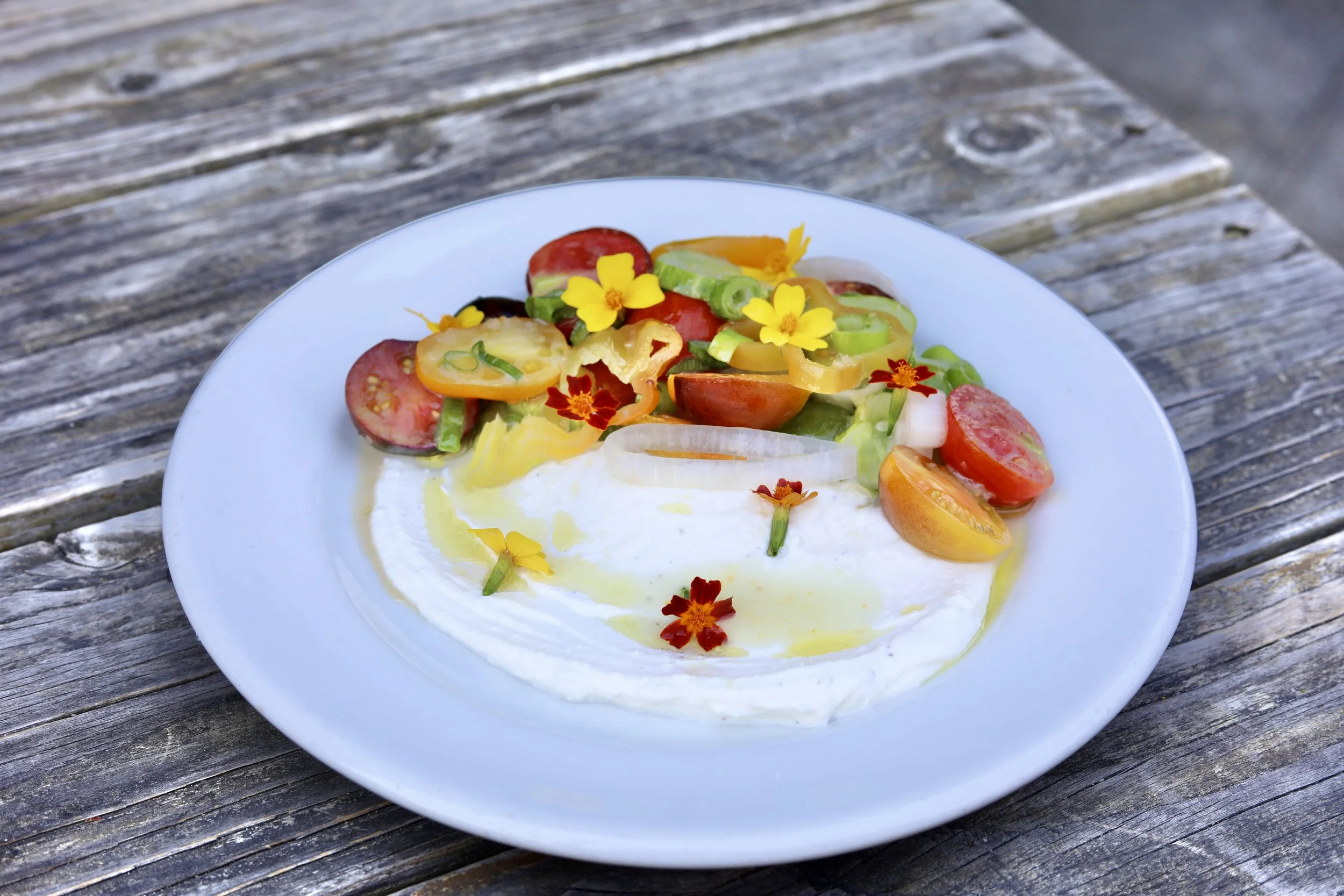
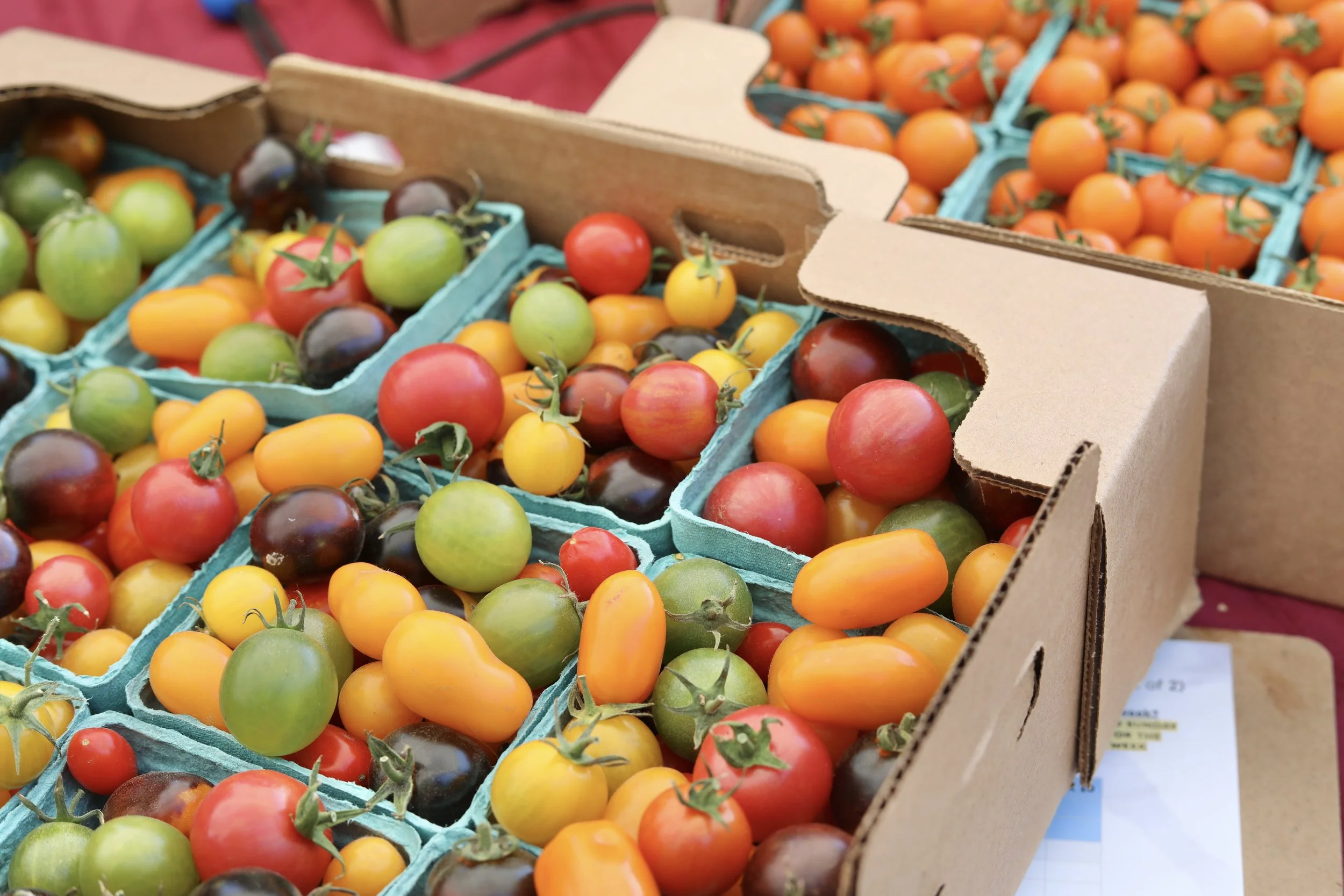
On a recent market morning, Alan arrives at the market with a specific purpose: picking up two flats of cherry tomatoes from Eloisa Organic Farm to feature in a seasonal salad that includes scallions, jalapeños, house-made pickles, and tiny red flowers, all on a bed of lemon-dressed ricotta cream.
The instinct to cook with what’s available comes from decades spent working in restaurants, and Alan and partner Shani Wickham bring that experience to their family-owned, Italian-inspired restaurant bar in Southeast Portland’s Clinton Street district.
They’ve made a point of buying directly from farmers everywhere they’ve lived, from the Bay Area to the Midwest and now Oregon, seeing these culinary connections as a crucial part of how restaurants can participate in a thriving local food economy.
That instinct to cook with what’s available has followed Alan Maniscalco and partner Shan Wickham throughout their three decades in the restaurant industry. Wherever they’ve lived and worked, from the Bay Area to the Midwest and now Oregon, they’ve made a point of buying directly from farmers, seeing those relationships as an essential part of how they run a restaurant and participate in the local food economy.
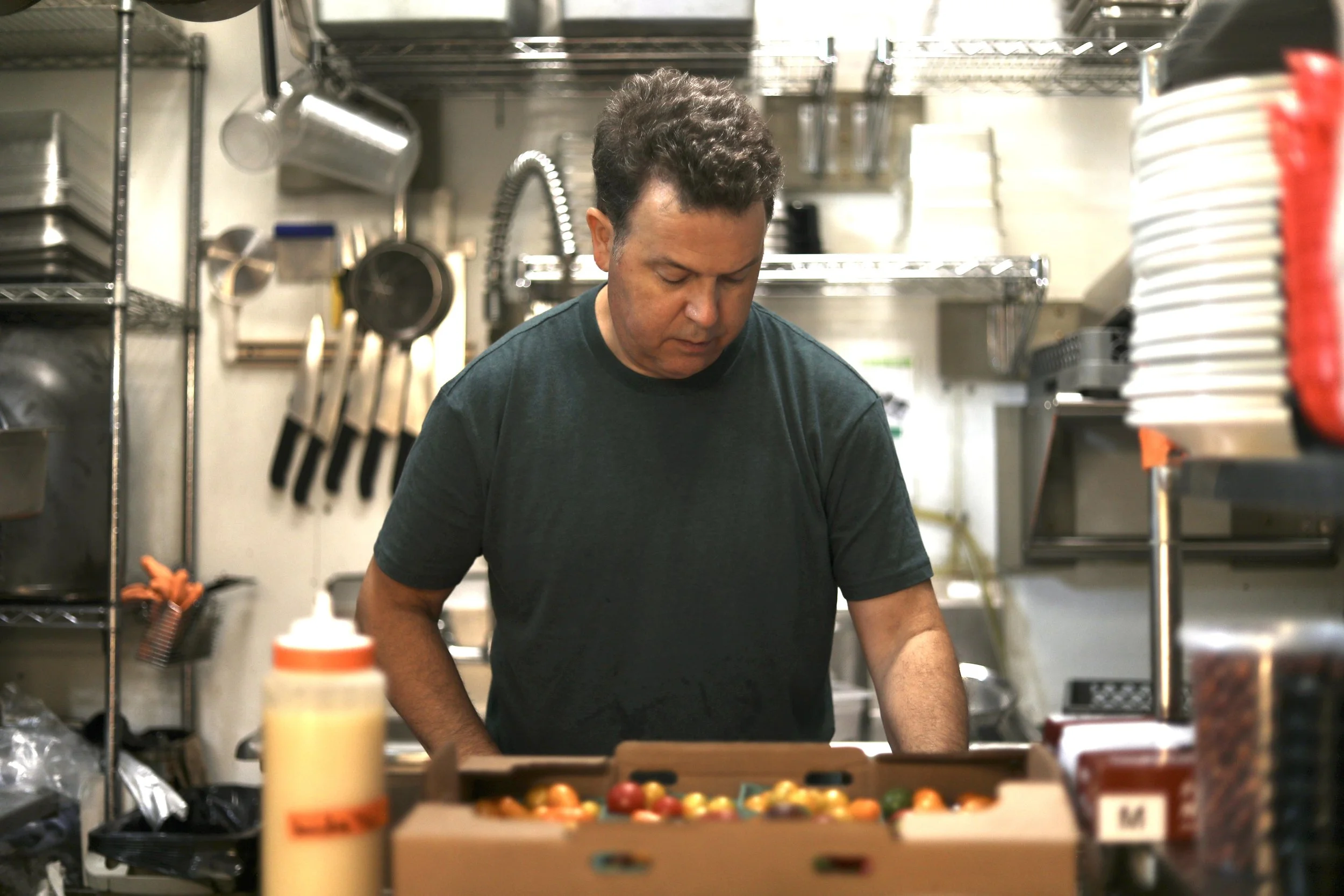
"We've always sought out farmers to work with just as a means of supporting one another," he says. "We're not just trying to do what's best for the restaurant, but do what's best for everybody. We put who our farmers are on the menu every time we use them. It's good for them, it's good for us, customers love it. It's really important to us."
When a dish leaves the kitchen, Alan and Shani want the story of where it came from to stay with it. They list the farms that grow the ingredients on the menu and share those relationships with customers through social media. Often, those names spark questions from diners who want to know more.
"We'll tag a farmer on our Instagram, or we'll put the name of the farm on the menu, and they'll say, 'Where's the farm located? Where can I find their produce?'"
For Shan and Alan, those conversations are part of what makes sourcing from local farms meaningful. The same growers who shape the restaurant's menu also become familiar names to the people sitting at its tables.
Supporting the farmers who supply the restaurant also means supporting the market where those relationships take root.
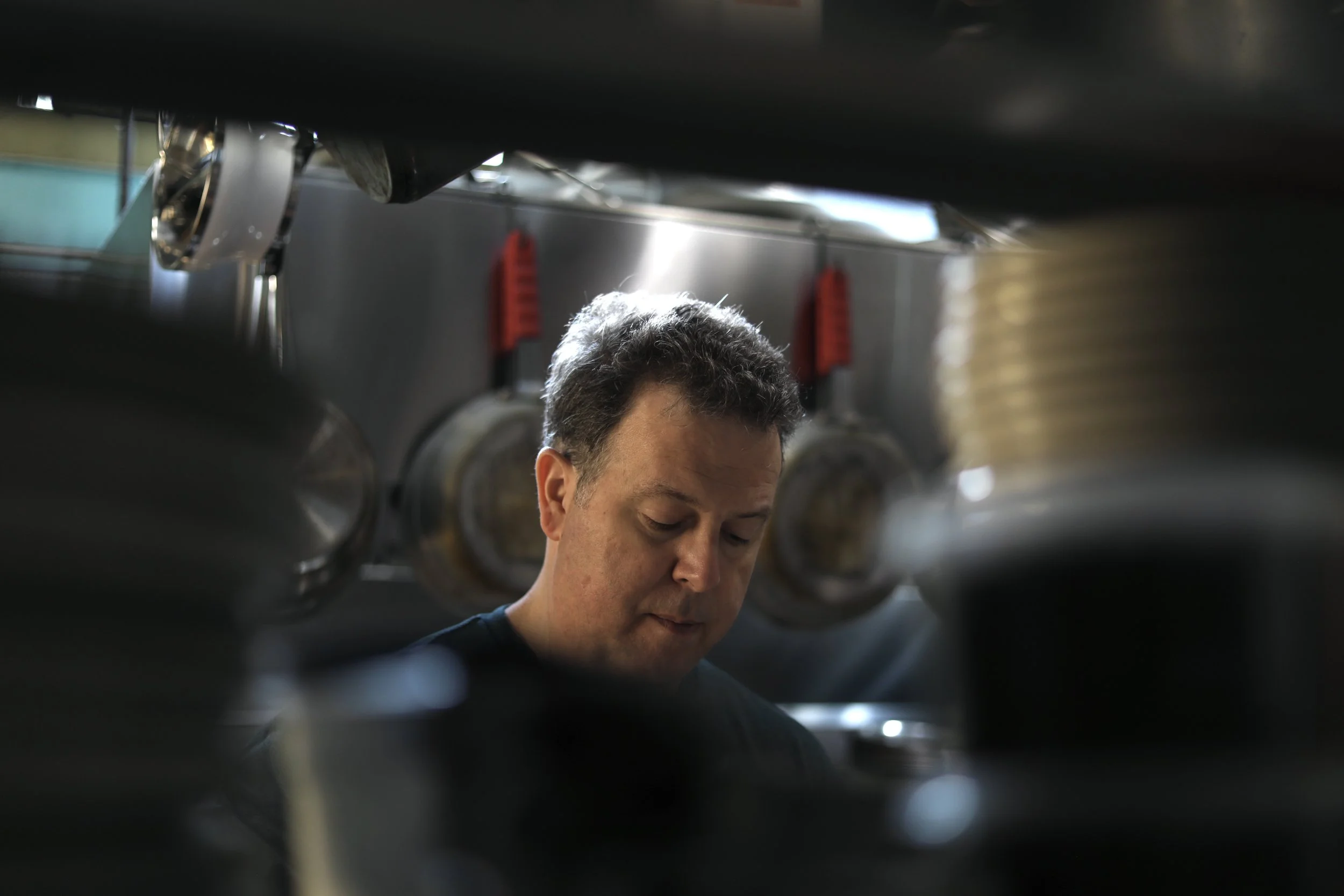
On August 9, Lucky Horseshoe Lounge will host a fundraiser for the Hollywood Farmers Market, with proceeds from sales that day benefiting a community hub that’s become an essential part of the restaurant’s weekly routine.
Fundraising for the market reflects something Alan and Shan have carried throughout their careers: the belief that restaurants have a responsibility to the farms and communities that sustain them.
"We need small farms," Alan says. "We need farmable land, particularly in metro areas, and we need small farmers because we cannot rely on big farmers to supply everything all the time."
He hopes farmers markets remain places where everyone can access fresh food, regardless of income. "They're not just growing fancy food for people who can afford it, they're growing food for all of us,” he says.
“That's the main reason that we fundraise for the market,” he continues. “It’s really important that people who might not be able to afford really good produce or just aren't getting enough in their diets are being supported. That's always been something that's been important in our family, making sure that everybody eats.”